Soft drinks have become an integral part of modern diets, with three main areas of nutritional focus driving their formulation: energy delivery, isotonic balance, and low-calorie options. Understanding these areas helps highlight how soft drinks can serve different dietary needs and preferences.
The first key area is energy provision. Many soft drinks, especially those labeled as energy drinks, are designed to deliver a quick boost. This is achieved through high levels of easily digestible carbohydrates, primarily sugars. Soluble sugars are a common choice because they’re simple for the body to absorb, offering rapid energy to those needing an immediate boost. However, regular table sugar can be overly sweet and create a heavy, lingering sensation in the mouth. As a result, glucose syrup—less sweet but highly effective as an energy source—forms the basis of many energy drinks, allowing for a balance between effectiveness and palatability.
The second area of focus in soft drink formulation is isotonic balance. Isotonic drinks have the same osmolality, or solute concentration, as bodily fluids, allowing for rapid absorption of water and salts. This characteristic makes isotonic drinks valuable for athletes and others requiring quick rehydration after intense physical activity. The salts in isotonic drinks help replenish electrolytes lost through sweat, while their rapid absorption restores hydration efficiently. With increasing awareness of the importance of maintaining electrolyte balance during physical exertion, isotonic drinks have grown in popularity among both professional and recreational athletes.
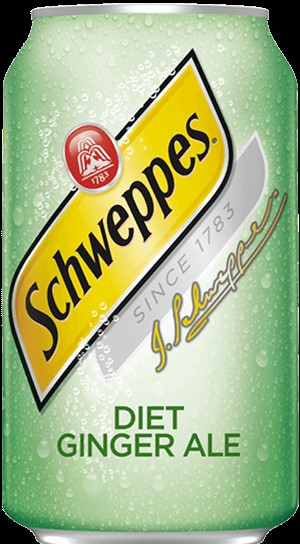
The third area of focus is low-calorie or "diet" soft drinks. As health-conscious consumers look to reduce sugar intake without giving up their favorite beverages, low-calorie alternatives have become a staple. These drinks often replace sugars with non-nutritive sweeteners, such as aspartame or sucralose, to retain sweetness without adding calories. This allows individuals to enjoy soft drinks while managing their caloric intake, supporting weight management or specific dietary goals.
In addition to these primary areas, some soft drinks are fortified with vitamins and minerals, targeting consumers interested in added nutritional benefits. For example, vitamin-enriched drinks aimed at children offer nutrients like vitamin C or B vitamins, contributing to daily nutrient requirements. This functional approach to soft drink formulation aligns with the growing trend toward beverages that offer more than refreshment, positioning soft drinks as convenient sources of energy, hydration, and even essential nutrients.
Key Nutritional Roles of Soft Drinks: Energy, Hydration, and Low-Calorie Options
What makes soft drinks so noteworthy is that, despite not being essential, their consumption continues to rise. They are entirely human inventions—both as a product and as a market. In fact, soft drinks were among the first branded goods to achieve truly global reach.
Showing posts with label low calorie. Show all posts
Low calories soft drinks
One of the main problems in the modern diet is the consumption of excessive amounts of sugar. Term total sugars include all mono- and disaccharides, while free and added sugars exclude naturally occurring sugars in milk, fruit, and vegetables.
Low calories or diet soft drinks (as well as some other beverages and food products) are currently sweetened with a variety of types of low-calorie sweeteners, including the following: saccharin, aspartame, acesulfame potassium, sucrolase, stevia, neotame, alitame, cyclamate.
Low calorie sweeteners include sweeteners that have lower (polyols) or no (intensive sweeteners) energy value. Intensive sweeteners have high sweetness potency and do not contribute to the energy value due to the low amount used for desired taste.
Low-calorie soft drinks are promoted as healthy alternatives to sugar-sweetened beverages. As a substitute for sugar sweetened beverage, low calorie soft drinks offer the potential to satisfy both thirst and an innate desire for sweetness with minimal caloric load; however, their effects on diet quality, weight control and cardiometabolic biomarkers continue to be debated.
Consumer demand for products that are lower in sugar is increasing. Beverage companies are making efforts to reduce sugar in their beverages as consumers seek lower-calorie options, particularly as the new Nutrition Facts label is phased in, which requires mandatory information for added sugars content.
Low calories soft drinks
Low calories or diet soft drinks (as well as some other beverages and food products) are currently sweetened with a variety of types of low-calorie sweeteners, including the following: saccharin, aspartame, acesulfame potassium, sucrolase, stevia, neotame, alitame, cyclamate.
Low calorie sweeteners include sweeteners that have lower (polyols) or no (intensive sweeteners) energy value. Intensive sweeteners have high sweetness potency and do not contribute to the energy value due to the low amount used for desired taste.
Low-calorie soft drinks are promoted as healthy alternatives to sugar-sweetened beverages. As a substitute for sugar sweetened beverage, low calorie soft drinks offer the potential to satisfy both thirst and an innate desire for sweetness with minimal caloric load; however, their effects on diet quality, weight control and cardiometabolic biomarkers continue to be debated.
Consumer demand for products that are lower in sugar is increasing. Beverage companies are making efforts to reduce sugar in their beverages as consumers seek lower-calorie options, particularly as the new Nutrition Facts label is phased in, which requires mandatory information for added sugars content.
Low calories soft drinks
Technology Developments of Sweeteners in Softdrinks Manufacturing
One of the major drivers of growth in carbonates has been the development of sweeteners and consequent improvement in the quality of low calories soft drinks, particularly in the USA and UK.
Saccharin was invented in about 1874 and very rapidly became a popular as a sweetener for softdrinks, usually blended into sugar to reduce cost. It proved to be a popular sweetener in the UK, particularly when sugar was in very short supply during the First World War. A blend of sugar and saccharin (50:50) by sweetness) became the standard sweetener system for common softdrinks, for example lemonade.
Low calorie softdrinks began to gain popularity in the 1960s and a blend of 1 part saccharin to 10 parts cyclamate produced a good tasting low calorie sweetener system. However, the use of sodium cyclamate came to an abrupt end in 1969 when it was banned in the USA and UK due to evidence suggesting that it cause bladder cancer. Cyclamatic was not banned elsewhere and it remained a very popular sweetener until recent severe restrictions in the EU.
The original work was later discredited but it result in saccharin being the only permitted sweetener in the UK and this severely limited the growth of low caloric drinks because of the unpleasantly bitter aftertaste of saccharin when used as a sole sweetener. The growth resumed again in the mid 1980s following the approval of aspartame and acesulfame K in the UK in 1983.
This popularity of low caloric (or light) drinks has been a massive driver of volume growth in the USA and UK, but to a lesser extent in mainland Europe. In the UK, in 1981, the only approximately 4% of the 2040 million liters of carbonates produced was a low calorie. By 2003, low calorie represented 32% of the market 0f 6500 million liters and a further 25% was reduced sugar (usually for reasons of cost).
Technology Developments of Sweeteners in Softdrinks Manufacturing
One of the major drivers of growth in carbonates has been the development of sweeteners and consequent improvement in the quality of low calories soft drinks, particularly in the USA and UK.
Saccharin was invented in about 1874 and very rapidly became a popular as a sweetener for softdrinks, usually blended into sugar to reduce cost. It proved to be a popular sweetener in the UK, particularly when sugar was in very short supply during the First World War. A blend of sugar and saccharin (50:50) by sweetness) became the standard sweetener system for common softdrinks, for example lemonade.
Low calorie softdrinks began to gain popularity in the 1960s and a blend of 1 part saccharin to 10 parts cyclamate produced a good tasting low calorie sweetener system. However, the use of sodium cyclamate came to an abrupt end in 1969 when it was banned in the USA and UK due to evidence suggesting that it cause bladder cancer. Cyclamatic was not banned elsewhere and it remained a very popular sweetener until recent severe restrictions in the EU.The original work was later discredited but it result in saccharin being the only permitted sweetener in the UK and this severely limited the growth of low caloric drinks because of the unpleasantly bitter aftertaste of saccharin when used as a sole sweetener. The growth resumed again in the mid 1980s following the approval of aspartame and acesulfame K in the UK in 1983.
This popularity of low caloric (or light) drinks has been a massive driver of volume growth in the USA and UK, but to a lesser extent in mainland Europe. In the UK, in 1981, the only approximately 4% of the 2040 million liters of carbonates produced was a low calorie. By 2003, low calorie represented 32% of the market 0f 6500 million liters and a further 25% was reduced sugar (usually for reasons of cost).
Technology Developments of Sweeteners in Softdrinks Manufacturing
Subscribe to:
Posts (Atom)
The Most Popular Posts
-
Most sweet drinks, including diet soft drinks, contain orthophosphoric, carbonic and citric acids; malic, tartaric and other organic acids m...
-
Phosphoric acid plays an essential role in the modern food and beverage industry, where it serves multiple functions that improve product qu...
-
Charles George Guth (June 3, 1877 – May 24, 1948) was an American businessman. Guth apparently had spent most of his life prior to th...
-
Soft drinks typically exhibit a low pH, making them acidic. This acidity results from specific ingredients and additives used in their formu...
-
Soft drinks rely heavily on colorings to create an appealing appearance, significantly influencing consumer preferences. The color of a drin...