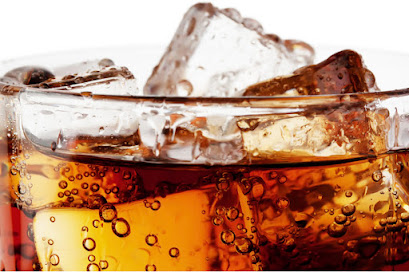
The employment of colorants in soft drinks serves numerous essential intentions:
~Augmenting the visual allure of the product.
~Offsetting natural deviations in color and changes that could arise during processing or storage.
~Safeguarding the identifiable traits of the beverage.
A frequently utilized element in a variety of soft drinks, including colas, root beers, and iced teas, is caramel color, produced through ammonium compounds. Caramel color is harnessed as a coloring agent in a wide array of widely-consumed beverages.
Within the realm of beverages, Caramel Color serves a multitude of goals, yet its primary role lies in elevating visual attractiveness. People frequently judge food and beverages based on visual cues, with color prominently influencing their anticipations regarding taste, flavor, and even mouthfeel.
Color additives in soft drinks
~Offsetting natural deviations in color and changes that could arise during processing or storage.
~Safeguarding the identifiable traits of the beverage.
A frequently utilized element in a variety of soft drinks, including colas, root beers, and iced teas, is caramel color, produced through ammonium compounds. Caramel color is harnessed as a coloring agent in a wide array of widely-consumed beverages.
Within the realm of beverages, Caramel Color serves a multitude of goals, yet its primary role lies in elevating visual attractiveness. People frequently judge food and beverages based on visual cues, with color prominently influencing their anticipations regarding taste, flavor, and even mouthfeel.
Color additives in soft drinks